
Our mission is to prepare children for life.
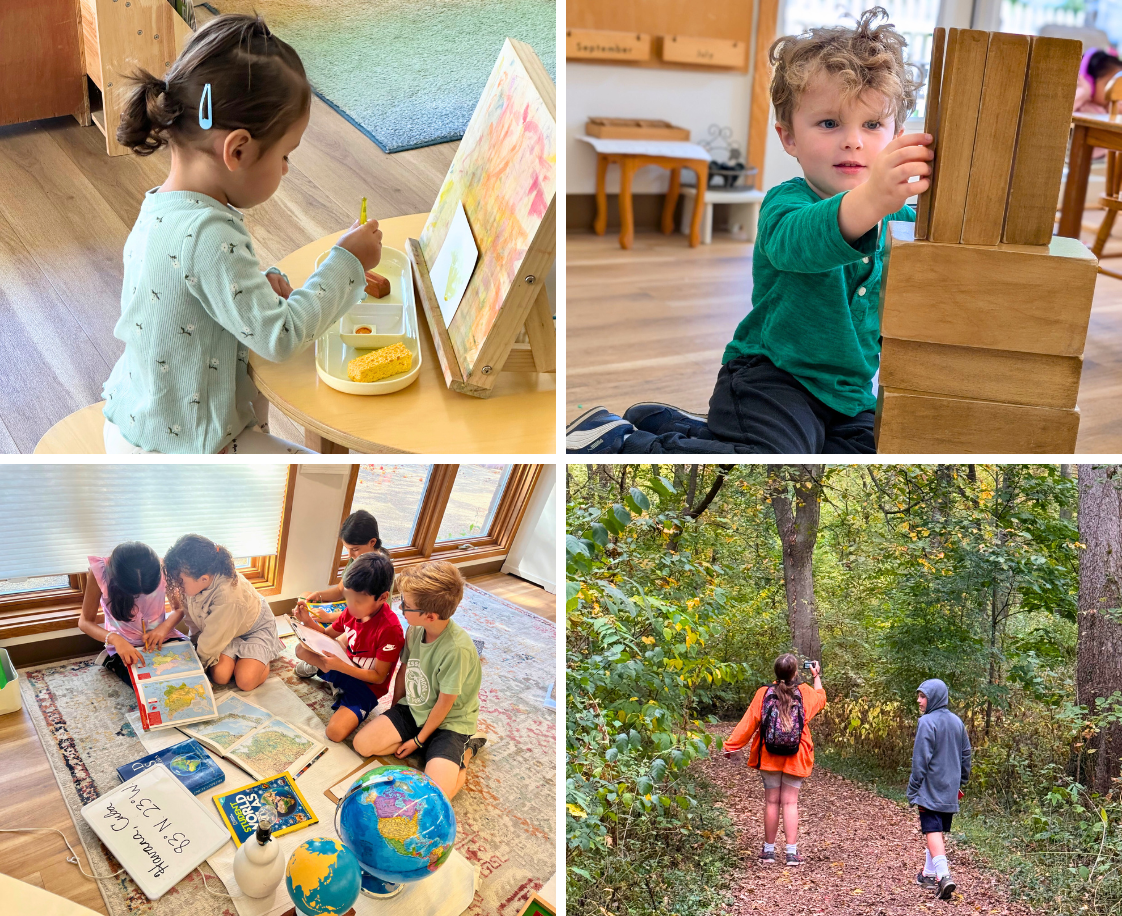
We celebrate each child’s individuality and help them discover how they can best contribute to our world and culture. All children are naturally curious and love to learn; we support this innate drive by providing environments that meet children’s developmental needs, by having a staff of loving and well-prepared adults, and by building a community of families that actively support our mission.
Why Montessori School of Lake Forest?
We Emphasize More than Just Academics
We honor your child’s individuality and focus on curiosity, independence, compassion, collaboration, and critical thinking, preparing him or her to take on the future with confidence, propelled by the gift of self knowledge and a passion for learning.
…but the Academics Are a Huge Strength
It is not uncommon to see four-year-olds in our school reading, six-year-olds completing long division problems, and nine-year-olds classifying botanical specimens. Our curriculum presents skills at the time when children are most ready to learn.
We’re a
Community
Our school is a community for more than just the children. We view our relationship with you as a partnership, working together for the benefit of your child. Because children thrive when home and school work in harmony.
Programs
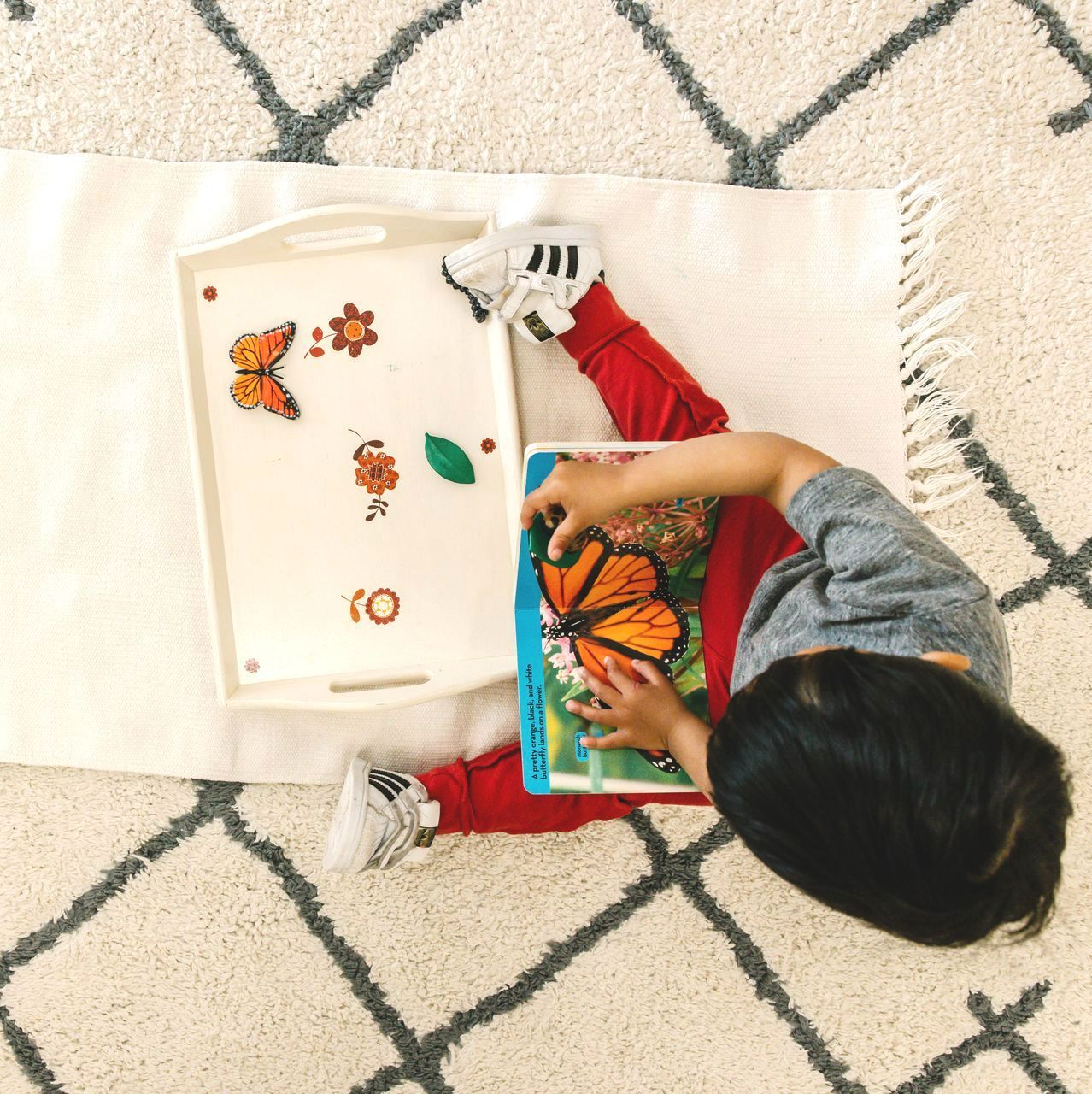
Toddler
15-36 months
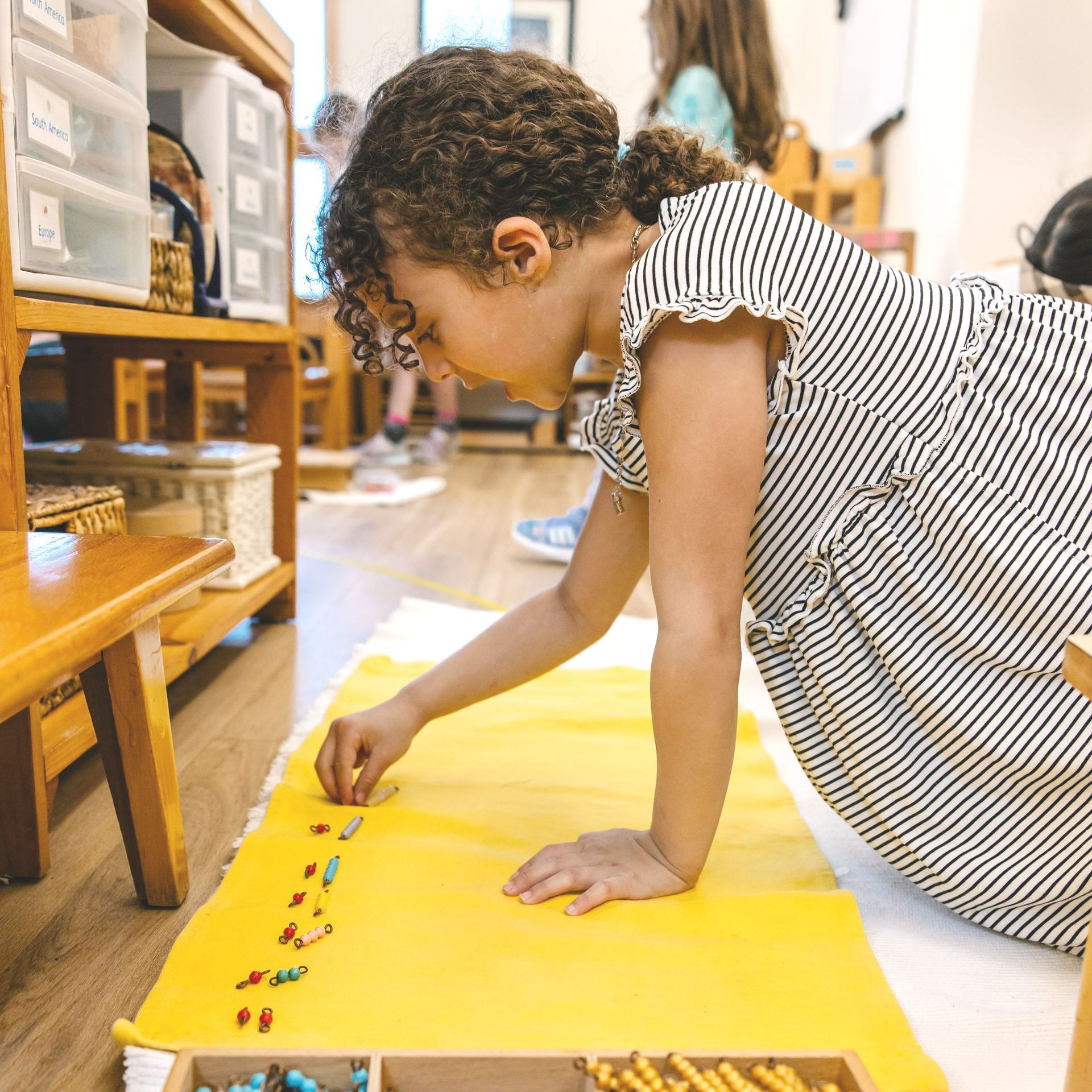
Primary
3-6 years
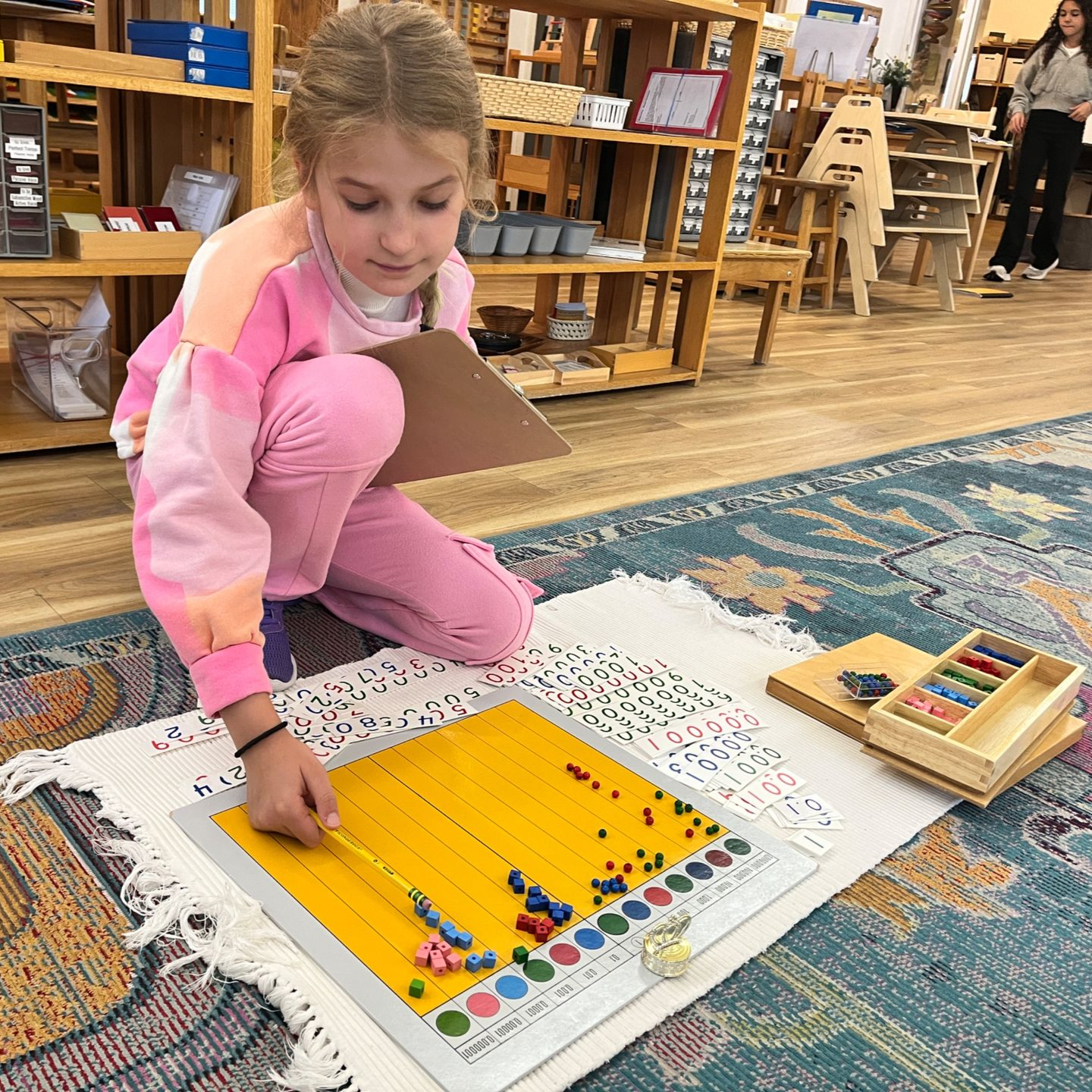
Elementary
6-12 years
Schedule a Tour!
We invite you schedule a tour to see our school, and observe the children in their classrooms. We encourage you to ask questions learn about the opportunities available at all levels of our programs.
The latest from MSLF